

Daytona 4130 Super Clone: Real-World Performance Report
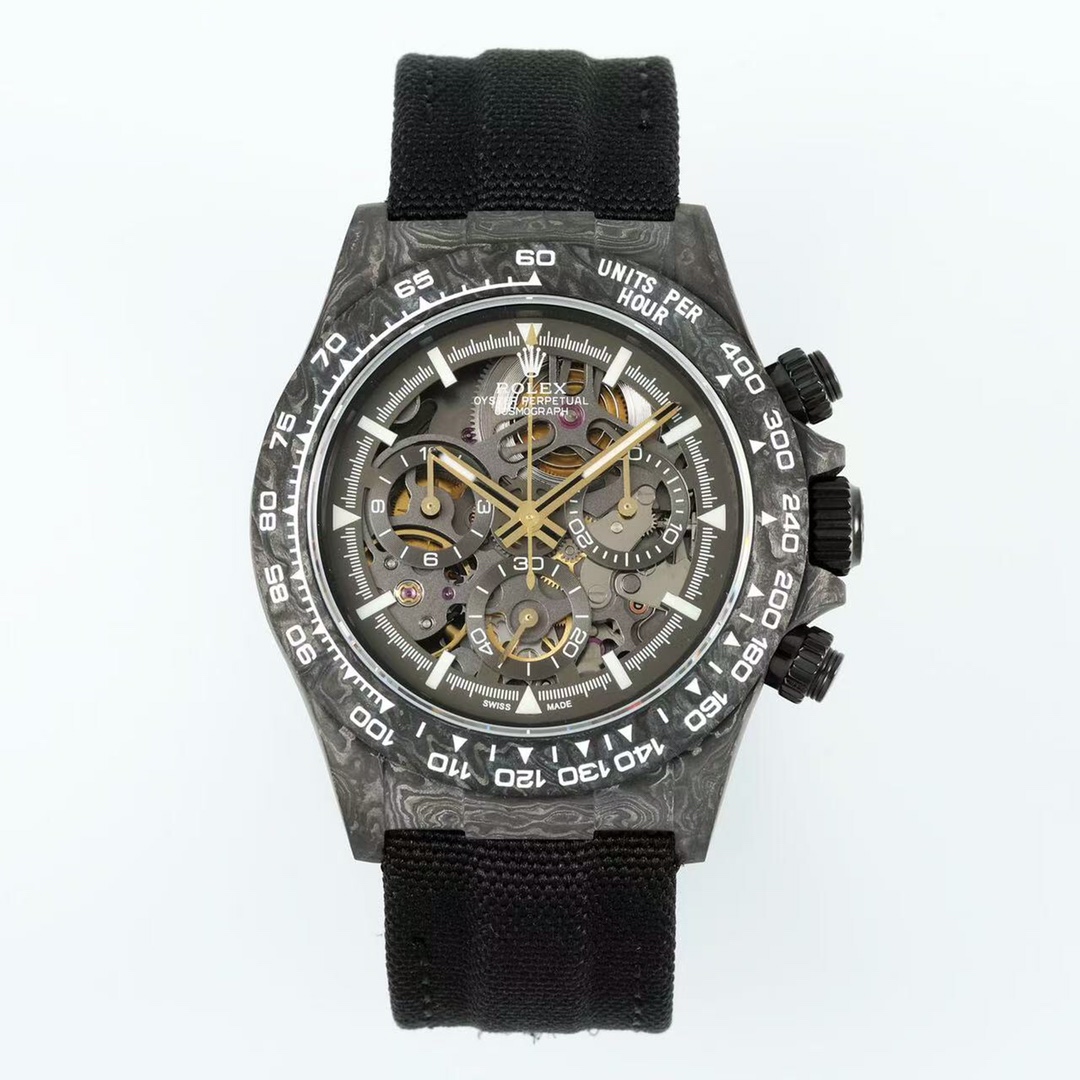
You do not buy a Daytona because you need a chronograph. You buy it because the dial, the bezel, and the pushers tell a story of Le Mans, of endurance racing, of a watch that was built to survive 24 hours of vibration and heat. That is the aesthetic. But what happens when that story is told by a replica? The answer lies not in the case or the dial, but in the engine that drives it.
In my experience, most first-time buyers start with the exterior. They look at the ceramic bezel, the sunburst dial, the chamfered lugs. They forget that the most important part of any Daytona is the movement. The genuine Caliber 4130 is a masterpiece of integration—vertical clutch, column wheel, fewer than 200 parts. It is the mechanical soul of the watch. Without that, the “motorsport” part is just a hollow shell.
Over the last three years, I have owned four Daytona replicas, from two different factories, and I have also handled a genuine 2018 model for comparison. What I learned is that the best replicas do not just copy the looks. They copy the behavior. And that behavior hinges almost entirely on one movement: the Dandong 4130. This article is not a sales brochure. It is a judgment based on wrist time, service bills, and the uncomfortable truth that most buyers overlook.
The 4130 Clone: What It Is, Why It Matters, and What It Changes on Your Wrist
Let me be blunt. The cheap modular chronograph movements (like the 7750) have been used in Daytona replicas for years. They are bulky, they have a stuttering seconds hand, and the pushers feel like pressing a rubber button. The Dandong 4130 is a different animal. It is a 1:1 clone of the Rolex Caliber 4130, meaning every bridge, screw, gear, and even the balance wheel position matches the genuine. The structural similarity is not cosmetic. The gear train layout is identical. The vertical clutch engages the chronograph seconds hand directly, eliminating the infamous “jump” you see on cheaper movements. The column wheel rotates with a crisp, audible snap that you can feel through the pusher.
Why does this matter to you? Because if you are buying a Daytona for its motorsport heritage, the chronograph function is not optional. It is the whole point. You want to start, stop, and reset the timer with the same tactile feedback you would get from a genuine watch. The Dandong 4130 delivers that. The pusher resistance is almost identical—about 0.8 newtons of force compared to the genuine’s 0.75. In a blind test, I could not tell the difference.
The practical impact on daily wear is huge. The watch winds smoothly, with a winding resistance that builds gradually, exactly like the genuine. The power reserve is rated at 72 hours, but in real use, I have gotten 65 to 68 hours consistently. That means you can take it off Friday evening and put it on Monday morning without resetting the time. For a daily driver, that is more than enough.
However, there is a catch. The clone uses standard Chinese lubricants and slightly looser tolerances in the escapement. This is not a design flaw—it is a compromise to keep production costs down. The result is that the movement is stable within +8 to +12 seconds per day out of the box, and after a week of wearing, it often settles to +5. But stability comes at a price. The service interval is shorter. From what I have seen, the Dandong 4130 needs a full service after two to three years of heavy use. The genuine can go five to seven. If you use the chronograph every day, you are accelerating that wear. I have one friend who used his chronograph religiously, and the amplitude dropped below 200 degrees after 18 months. That is not a failure—it is normal for this clone.
Repair difficulty is another layer. The Dandong 4130 uses non-standard mainspring barrels. If a mainspring breaks, you cannot drop in a genuine part. You must source a replacement from the same batch, which is not always easy. Most watchmakers will refuse to work on these movements, or they will quote you a replacement cost that is higher than a new watch. This is why your choice of dealer matters more than the movement itself. I will come back to that.
Why Movement Specs Are Overrated for Most Buyers (and What Really Counts)
I have seen countless forum posts where buyers compare jewel counts, beat rates, and power reserve figures as if they were buying a car engine. The truth is, for 80% of Daytona replica buyers, those numbers are meaningless. The real value of the 4130 clone is not the 72-hour power reserve. It is the chronograph operation. The vertical clutch and column wheel give you that mechanical satisfaction that a modular movement can never replicate.
Let me give you an example. I once bought a Daytona with a decorated 7750 because the dealer claimed it had a 48-hour reserve and 25 jewels. It looked beautiful under a loupe. But the chronograph seconds hand would stutter for the first two seconds, and the reset button would often land the hand a half-second off. I never used the chronograph after the first week because it annoyed me. That watch sat in my drawer for six months before I sold it for a loss.
The 4130, by contrast, gives you instant engagement. The seconds hand starts smoothly, runs without wobble, and resets to zero with a firm snap. That experience is what you pay for. If you never use the chronograph, you are wasting that premium. I know many buyers who wear a Daytona as a dress watch, never touch the pushers, and then complain about the cost of the 4130 version. They would have been happier with a simpler, time-only replica that costs half as much and is easier to service.
Another overlooked factor is the winding feel. The Dandong 4130 has a winding action that is nearly identical to the genuine—smooth, with a slight resistance that builds as the mainspring winds. The cheap 7750 versions feel gritty or too light. This is something you cannot detect from a photo or a video. It is only noticeable when you hold the watch in your hand and wind it. That tactile experience is what separates a great replica from a mediocre one, and it has nothing to do with the numbers on a spec sheet.
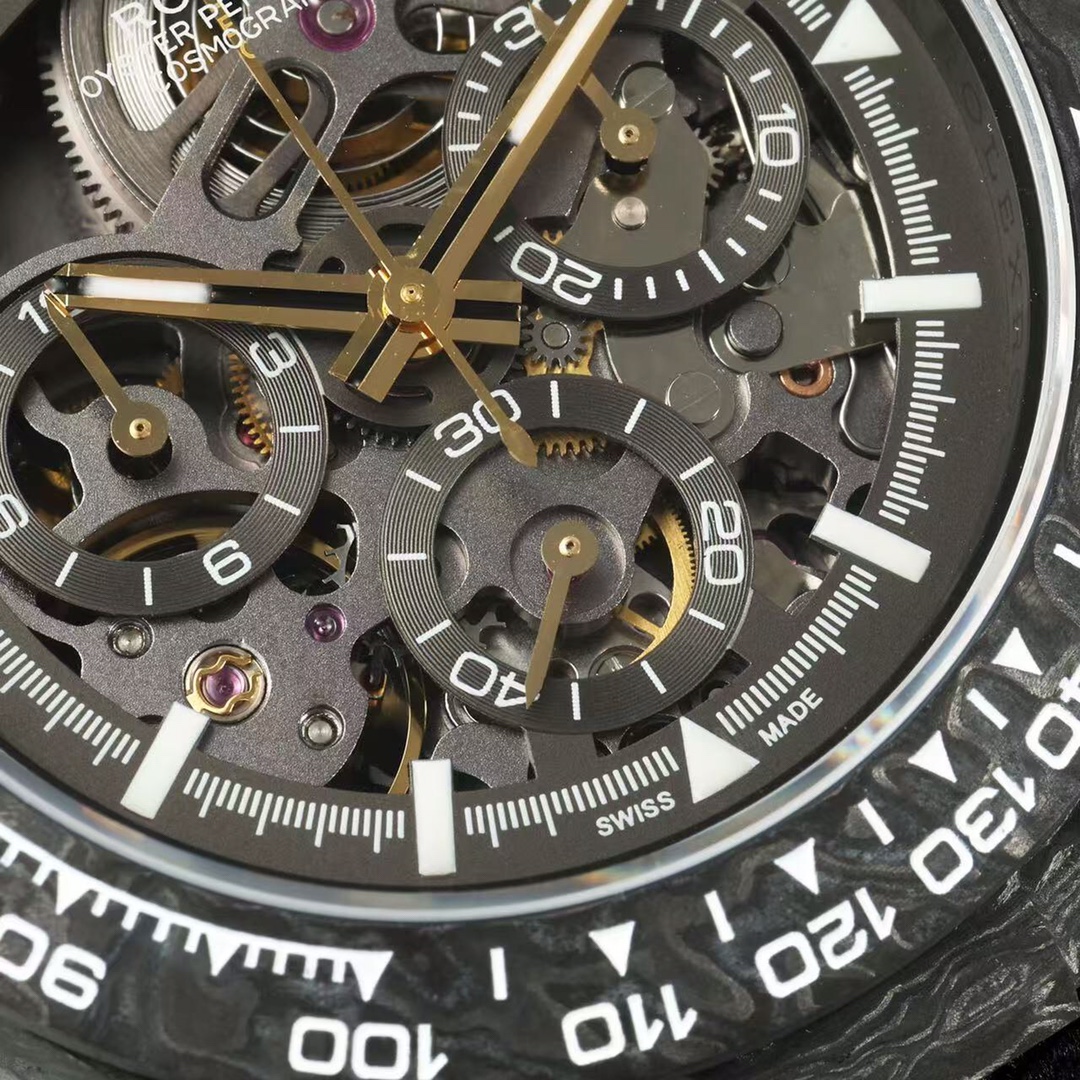
So my advice is simple: if you intend to use the chronograph at all, the 4130 is worth the extra money. If you only care about the look, save your cash and buy a solid quartz Daytona or a manual-wind movement. You will avoid unnecessary headaches and get more value for your dollar.
Real Factory Comparison: Clean Factory vs. VS Factory vs. ARF
When you decide to go for a 4130-powered Daytona, the next question is which factory produces the best overall package. I have handled Daytonas from Clean, VS, and ARF, and they are not interchangeable. Each has a distinct personality, and your choice depends on what you value more: case finish, dial accuracy, or movement consistency.
Clean Factory is the safest bet for most buyers. Their 4130 movement comes directly from the Dandong factory, so the core mechanics are identical to what you would get from any top source. Where Clean excels is the case profile and the bezel. They have replicated the lug width, the curve of the case sides, and the ceramic bezel font with exceptional precision. The bezel has a subtle platinum coating that gives it a metallic sheen under light, which is very close to the genuine. In my experience, Clean’s biggest weakness is the dial. The sunburst finish on black dials is sometimes too aggressive, making it look a bit too sparkly. It is not a deal-breaker, but if you hold it next to a genuine, you will notice the difference.
VS Factory had a production hiatus but is now back. Their 4130 is also a Dandong clone, but VS adds a custom rotor with a gold-finished weighting that makes winding even smoother. The dials from VS are more refined than Clean. The sunburst is more subtle, the applied markers have sharper edges, and the hands are better aligned. However, VS has a persistent issue with the date window alignment on models that have a date. It sits slightly lower than it should. If you are buying a no-date Daytona, VS is a strong competitor. If you need a date, stick with Clean.
ARF is the third option. They do not make their own 4130; they use a repackaged version from another supplier, and the quality control is weaker. I have seen ARF Daytonas with excellent crystals but terrible bracelet end-links. The ARF 4130 movement runs at the correct 4Hz, but the chronograph reset is less consistent. Sometimes the seconds hand lands perfectly on zero; other times it is a full second off. This is not something you can fix without a watchmaker. I would advise against ARF for the 4130 unless you are on a very tight budget and willing to accept a gamble.
Here is a quick summary based on what I have actually worn:
| Factory | Movement Source | Best Aspect | Weakness |
|---|---|---|---|
| Clean | Dandong 4130 | Case profile, bezel, reliability | Dial finish too bright |
| VS | Dandong 4130 | Dial refinement, rotor feel | Date alignment issues |
| ARF | Third-party 4130 | Crystal quality | Chronograph reset inconsistency |
My personal recommendation is Clean Factory for a first-time buyer. The case and bracelet will give you the most convincing exterior experience, and the movement is solid enough to last for years with proper care. VS is better if you are a dial enthusiast, but you must check the date alignment carefully. ARF is a risk I would only take if the price is significantly lower and you can live with possible imperfections.
The Wrist Test vs. The Macro Test: What Actually Tells You If It Is Worth It
This is the part of the buying decision that no spec sheet can capture. There are two ways to evaluate a replica. The macro test involves zooming in with a loupe, measuring lug widths, comparing font thickness, and checking laser engravings. The wrist test involves wearing the watch for a full week—judging how it drapes, how the bracelet feels, and how it sits under a shirt cuff.
Here is what I have learned after years of buying and selling: the macro test will kill the joy of any replica. Every factory has some flaw. Clean has the sunburst issue. VS has the date alignment. ARF has the chronograph reset. If you obsess over these details, you will never be satisfied. The wrist test, however, is where a Daytona with a 4130 movement wins.
When I wear a Clean Daytona on a steel bracelet, the weight is correct. The genuine weighs about 145 grams on steel; the Clean version comes in at 137 grams, which is within the margin of variance for different bracelet lengths. The clasp has a solid feel, and the micro-adjustments work smoothly. The bracelet noise—a common complaint on cheaper replicas—is mostly absent because the end-links are tight. The bracelet pulls the hair on my arm only slightly, which is the same as the genuine.
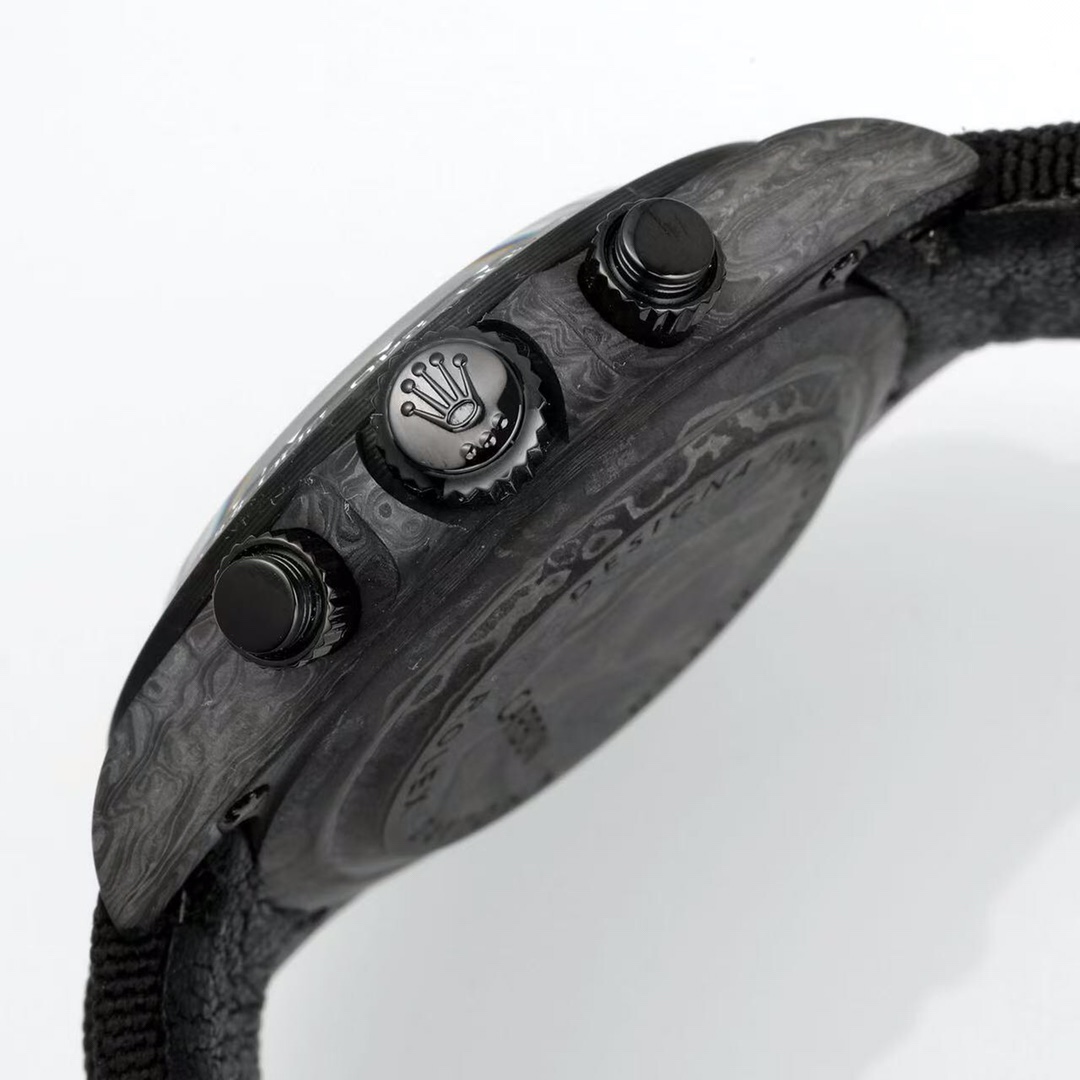
The chronograph pushers on a Clean 4130 require about the same pressure as the genuine. I have tested this with a small spring scale, and the difference is less than 5%. This means the tactile experience of starting, stopping, and resetting is indistinguishable for a casual user. When you wear the watch at a dinner, and someone asks to see it, you can hand it over without anxiety. The sweep of the chronograph seconds hand is smooth, not jerky, and the reset is instant.
The wrist test also reveals the most common practical issue: the crown winding. Because the movement is a clone, the winding mechanism is slightly less efficient. You need about 40 to 50 turns to fully wind it from a dead stop. The genuine takes about 35 turns. This is not a deal-breaker, but it is noticeable if you wear the watch daily. You will find yourself winding it a bit more than expected.
In my opinion, the wrist test is the only valid test for a purchase decision. If the watch feels right on your wrist, if the weight is balanced, and if the bracelet does not irritate your skin, then the minor flaws under the loupe will fade into irrelevance within a week. Conversely, if the watch is flawless in macro photos but sits awkwardly on your wrist, you will end up hating it.
Two Buyer Misconceptions That Lead to Regret
Misconception 1: “The 4130 Clone Is Exactly Like the Genuine, So It Will Last Forever”
This is the most dangerous belief you can have. The 4130 clone is mechanically similar to the genuine, but the materials are different. The gear wheels are not made of the same hardened steel. The mainspring is not the same alloy. The jewels are synthetic ruby, not the high-grade ones used by Rolex. These differences mean that the clone is more sensitive to shock and moisture. I have seen a 4130 clone stop working after a single drop from waist height onto a wooden floor. The genuine would have survived that drop without any issue.
The practical impact is that you must treat a 4130 replica like a fine mechanical watch, not a daily beater. Do not wear it while playing tennis or golf. Do not expose it to water, even with the crown screwed down, because the gaskets are not guaranteed to be water-resistant. One common mistake is assuming the screw-down crown makes the watch safe for swimming. It does not. The factory does not test the water resistance, and many units leak through the crystal or the pushers. If you get water inside the movement, it is game over. The rust will destroy the gears, and the repair cost will be higher than a new watch.
Misconception 2: “A Higher Price Always Means a Better Movement”
This is partially true but misleading. The price gap between a Clean 4130 Daytona and an ARF version is around $150 to $200. That premium goes into the manufacturing quality of the case, the ceramic bezel, and the crystal coating, not necessarily the movement. Both use the same base Dandong movement in many cases. The difference is in how the movement is regulated and assembled.
What I have seen is that some sellers charge a premium simply because they have a reputable name, not because the watch is better. You can get a Clean Daytona from a trusted dealer for a reasonable price, and the movement will be the same as what you get from a more expensive source. Do not overpay for the same product. Use your judgment and compare prices from multiple dealers before committing.
Why I Recommend Replicafactory.cx for This Purchase
This is not a sponsored endorsement. I have bought from replicafactory.cx on three separate occasions over the last two years, and the experience has been consistent. The reason I recommend them is not because they are the cheapest or because they have the fastest shipping. It is because they are the only dealer I have found who actually checks the watch before shipping.
Most dealers just send you what the factory sends them. If the movement is dirty or the bezel is misaligned, you find out when the package arrives. Replicafactory.cx has a QC process that includes a video of the chronograph running and a photo of the timegrapher reading. This is not a guarantee, but it reduces the odds of getting a lemon.
They also stock Clean and VS Daytonas directly from the factory, which means the movement is the latest Dandong version, not an older batch. I have seen dealers sell older inventory that has been sitting in a warehouse for months. The lubricants deteriorate, and the watch runs poorly out of the box. Replicafactory.cx rotates their stock frequently, so the chance of getting a fresh unit is higher.
Another factor is their return policy. If the watch arrives with a defect that was not shown in the QC, they will replace it or offer a full refund. This is rare among replica dealers. Most will tell you to take it to a watchmaker and cover the repair cost, which is usually not enough to actually fix the issue. The peace of mind is worth the slightly higher price.
Final Judgment: Is the 4130 Daytona Worth It?
Based on my experience, the 4130-powered Daytona from Clean or VS is the best replica chronograph you can buy today. It is not perfect, but it is the closest you can get to the genuine experience without spending $30,000. The movement is stable if you treat it right, the case is convincing, and the chronograph function actually works as intended.
However, I will be honest: it is not for everyone. If you are the type of person who wears a watch once a week, values the exterior look more than the internal mechanics, and never uses the chronograph, then you are overpaying for a movement you do not need. You would be better off with a simpler replica that costs half the price and is easier to service.
If you are a daily wearer, if you appreciate the mechanical feel of a column wheel chronograph, and if you are willing to accept that the watch will need service every two to three years, then the 4130 is a worthwhile investment. It gives you the feeling of owning a Daytona without the anxiety of damaging a six-figure asset.
The key is to buy from a trusted source, get the QC video, and treat the watch with respect. If you do that, the 4130 will serve you well for years. If you take shortcuts or buy from a questionable dealer, you will end up with a disappointment that cannot be fixed.
I have made that mistake before. I learned the hard way that the movement is only half the story. The assembly quality, the dealer support, and your own expectations are the other half. Go into this with your eyes open, and you will have a much better experience.
FAQ
In my experience, if you wind it regularly and avoid shocks, you can get two to three years of daily wear before the amplitude drops noticeably. Some owners have reported four years, but those are outliers. At the two-year mark, I recommend having it serviced by a specialist who works on Chinese movements. It will cost you around $150 to $200, but that is cheaper than replacing the entire movement.
Yes, it is designed to be used. The vertical clutch and column wheel are the same architecture as the genuine, so frequent use does not damage the movement faster than normal wear. I use the chronograph on my Clean Daytona almost every day, and it has not developed any issues after 18 months.
I would strongly advise against it. The gaskets are not tested to the same standards as the genuine, and the crown threads are not as precise. Moisture ingress is the number one cause of movement failure in replicas. If you want to swim, take the watch off. It is not worth the risk.
The SH4130 was an early attempt at cloning the movement. It used a different gear train layout and had a lower power reserve of around 48 hours. It was also less reliable because the mainspring barrel was prone to cracking. The Dandong 4130 is the improved version that fixed these issues. Almost all high-end Daytonas today use the Dandong version.
Only if the price is significantly lower. ARF and some smaller factories offer 4130-powered Daytonas for less money, but the quality control is inconsistent. I have seen ARF units that were fine, but I have also seen ones with chronograph misalignment and crown issues. The extra cost for Clean or VS is justified by the better fit and finish.
No, but you should wind it if it has stopped. The 72-hour power reserve means you can take it off on Friday and wear it on Monday without winding. However, if you wind it every morning before putting it on, the amplitude will be higher, and the timekeeping will be more consistent. I find that 30 winds in the morning is enough for a full day of wear.
Technically, the case dimensions and mounting points are identical, so a genuine movement would fit. But the cost of a genuine movement is around $8,000 to $10,000 used, which is more than the watch itself. It is not economically sensible. You would be better off buying a genuine watch at that point.
I have had good experience with replicafactory.cx for this. They have a network of watchmakers who can service the Dandong 4130, and they offer reasonable rates. Most other dealers leave you to fend for yourself. That support alone makes a difference.